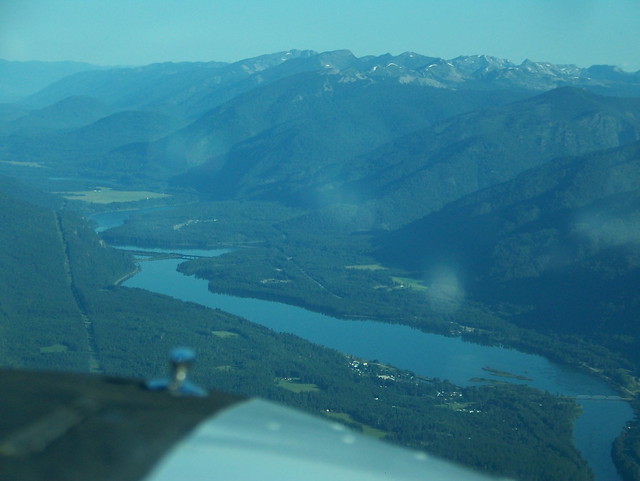
Ever since 2014, our family of 4 loads up way too much luggage and sets off on a multi-day flying adventure. Each morning, after I’ve been appropriately obsessive about understanding the weather, we open up an aviation chart, look at airports an hour or two away, and pick a destination. We stay in hotels and B&Bs, eat out a lot, and experience the special features of each town we find ourselves in. The first year, the summer of 2014, we found ourselves one morning on our way westward to from Kalispell to Coeur d’Alene. The sky was an unbroken blue, the air as smooth as glass. We were fairly high up, crossing over the Rockies on our way from Montana to Idaho. And we heard giggling. Our two children in the back were making faces at each other, giggling unceasingly for over an hour. And so the trip was forever called GiggleFest.

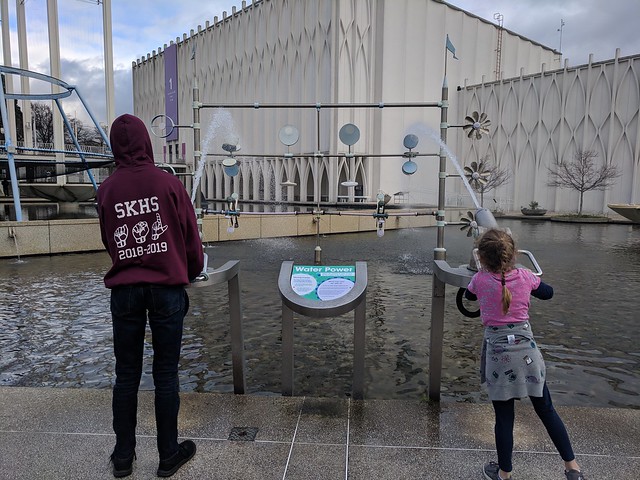
Since then, we’ve flown a new edition of GiggleFest more or less each year. It has given our children an unparalleled opportunity to see things from a new and special point of view. The time we’ve spent together as a family is invaluable. In 2015, it was in the summer again. In 2016, it was in the spring. In 2017, it was in the early fall. In 2018, our calendars got away from us, and we didn’t get to GiggleFest until December. Our plan was to fly to Boeing’s aviation museum and Uber into Seattle to the Science Center, but the weather didn’t permit a safe flight. So we just drove the whole thing. We counted that as the start of GiggleFest 2019, just a ground-based version. Then in early January, we flew a more traditional aviation GiggleFest. Despite all the flying technically being in 2019, I convinced myself it was really just an extension of GiggleFest 2018, and thus we had maintained the annual GiggleFest tradition.
Well, this year our calendars got completely away from us, but late December had an open schedule, and it looked like we might be able to squeeze in a late GiggleFest then; however, the weather didn’t cooperate. And alas, we had to again settle for a ground-based family adventure. We decided on Leavenworth.